

1 December 2025
This Month in Queer Religious History*
World AIDS Day
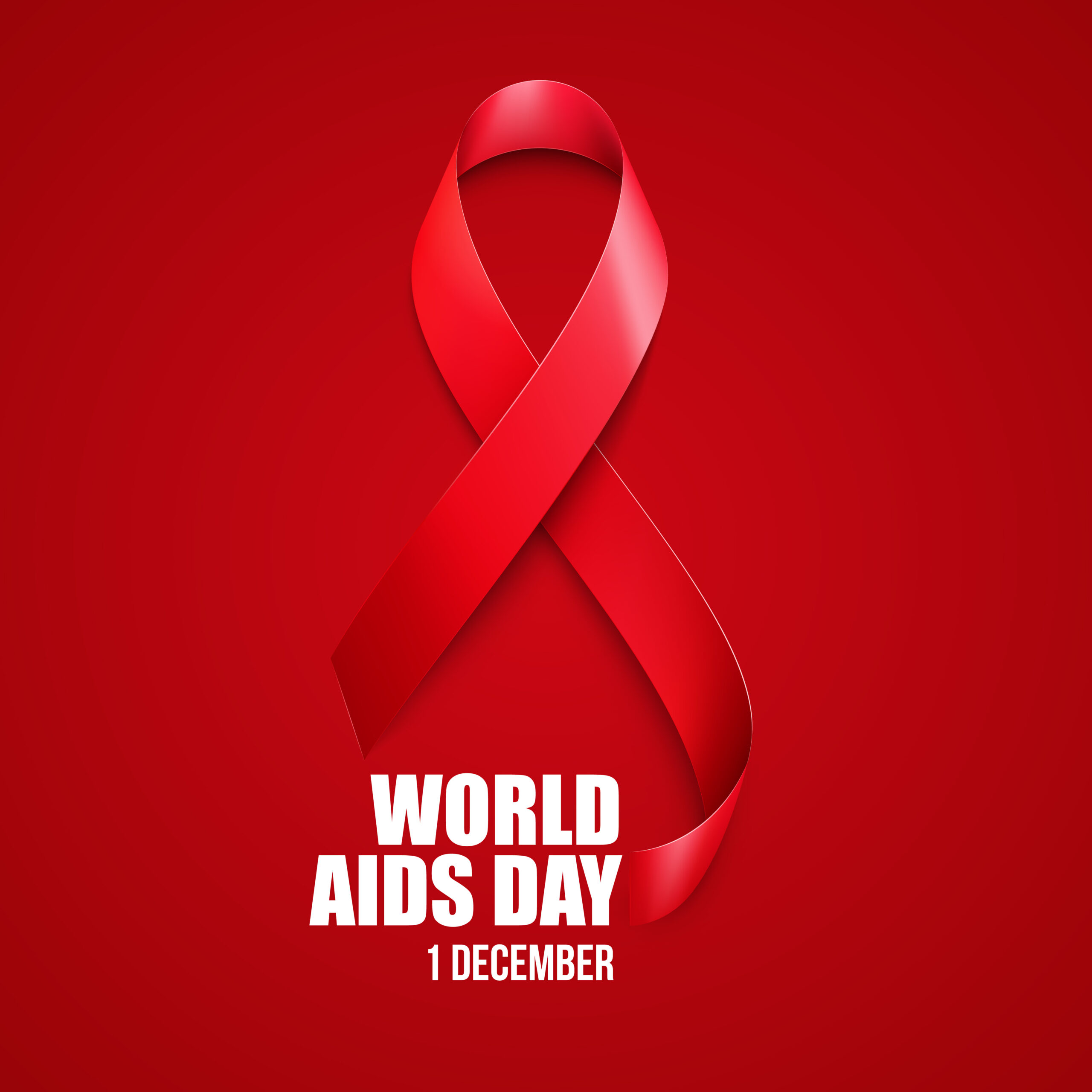
On 1 December 1988 the first World AIDS Day was observed, marking a global moment of solidarity, remembrance, and activism in the face of the HIV/AIDS pandemic. For the LGBTQ+ community and its allies, this day transcends mere awareness: it has become a sacred occasion to honor the lives lost, celebrate the resilience of survivors, and recommit to the fight for justice and compassion.
Rooted in both grief and hope, World AIDS Day embodies the spiritual imperative to confront stigma, uplift marginalized voices, and affirm the inherent dignity of all people.
The HIV/AIDS crisis emerged in the early 1980s, disproportionately affecting gay and bisexual men, transgender women, People of Color, and other marginalized communities. The epidemic was met with governmental neglect, religious condemnation, and widespread fear, compounding the suffering of those infected. In this darkness, however, a powerful light emerged: grassroots activism, most often led by queer individuals and their allies who transformed the crisis into a movement for human rights, medical justice, and even spiritual renewal.
Religious communities have played a complex role in the AIDS crisis. While some institutions perpetuated stigma—framing HIV/AIDS as divine punishment—others became sanctuaries of radical love and care. Churches, synagogues, sanghas, and interfaith organizations opened their doors to provide hospice care, organize memorial services, and advocate for compassionate governmental policies.
The Metropolitan Community Churches (MCC), founded by Rev. Troy Perry as a haven for LGBTQ+ Christians, was among the first to minister to people with AIDS, offering spiritual solace and practical support when few others would.
Similarly, the Sisters of Perpetual Indulgence, a queer activist group blending drag and religious imagery, pioneered safer sex education and fundraised for AIDS research, embodying a unique fusion of the sacred and the profane.
The spiritual dimensions of World AIDS Day are profound. For many, the day functions as a collective ritual of mourning and resistance. The AIDS Memorial Quilt, conceived by activist Cleve Jones in 1985, is a tangible manifestation of this spirituality. Each panel, sewn by loved ones, transforms grief into a communal act of remembrance, echoing religious traditions of honoring the dead. The Quilt’s display in places of worship (such as the National Cathedral in Washington, DC) further honors and sanctifies these memories, bridging the secular and the sacred.
World AIDS Day also challenges religious communities to confront their complicity in stigma and to reclaim their prophetic role. The Names Project Foundation, which stewards the Quilt, describes it as a “call to action,” urging faith leaders to advocate for healthcare access, combat homophobia, and fully embrace their LGBTQ+ members. This call resonates with the teachings of many traditions: Jesus’ healing of the outcast, the Jewish mandate of tikkun olam (repairing the world), and the Buddhist value of practicing compassion.
The legacy of World AIDS Day is not confined to the past. The pandemic still persists today, of course, particularly in sub-Saharan Africa and among marginalized communities globally. The day reminds us that the fight for equitable healthcare, decriminalization of HIV, and eradication of stigma remains urgent. People of faith and spiritual leaders must continue to speak out for those suffering from the pandemic and call upon their communities of faith to walk with (and advocate for) those living with AIDS.
As we observe World AIDS Day in 2025, we honor people living with HIV as well as the activists and caregivers (medical and spiritual) whose work and ministries demonstrate the power of transformative love. Their work reflects a truth at the heart of many faiths: that solidarity is sacred, and that justice is a spiritual practice.
NOTE: The Trump Administration has decided that, after 37 years of commemorating this important day, the United States will not formally observe (nor provide funds for) World AIDS Day in 2025.
SOURCES
- Gay in the 80s. “1982 Safer Sex.” https://www.gayinthe80s.com/2013/08/1982-safer-sex-play-fair/. Accessed 16 July 2025.
- Names AIDS Memorial. “What is the AIDS Memorial Quilt?” aidsmemorial.org/quilt. Accessed 16 July 2025.
- Thurman, Howard. Jesus and the Disinherited. Beacon Press, 1976.
- “AIDS, Crisis and the Power to Transform.” www.unaids.org/en/UNAIDS-global-AIDS-update-2025. Accessed 16 July 2025.
- Visit MCC. “How MCC Helped to Mobilize the Fight Against HIV/AIDS.” https://visitmccchurch.com/portfolio/how-mcc-helped-to-mobilize-the-fight-against-hiv-aids/. Accessed 16 July 2025.
This Month in Queer Religious History
*Each month during 2025-2026, our 25th anniversary year, CLGS is honoring an individual, event, or movement of consequence in queer religious history. Although we will be able to highlight only a very few of those individuals and movements that have contributed to the thriving of LGBTQ+ persons and communities throughout history, we are eager to share with you the stories of some of the people and movements that have created positive change for LGBTQ+ people, our families, and our communities.