


Click here to view a video recording of this CLGS Lecture!
MELANIN: The Good…The Bad…and the Sacred
Bishop Tonyia Rawls
Thursday, 16 April 2026 | 4pm (Pacific Time) | ONLINE
We are living in a day and age where the amount of God-given melanin in one’s skin can literally determine what jobs you have access to, what quality of education you can receive, what types of money and other resources you have access to, and even how much shorter your life expectancy will be than that of non-melanated people.
Melanin can be an accurate indicator of how likely you are to be arrested and disappear. Melanin has even been used by some as a litmus test for holiness and acceptance by God. This lecture shone light on the varied ways these behaviors have impacted our nation and the church itself. God did not make a mistake when choosing a young, Black, unwed teenager to carry Jesus, the proclaimed Son of God.
We invite you to view a video recording of this lecture and discover why melanin matters.
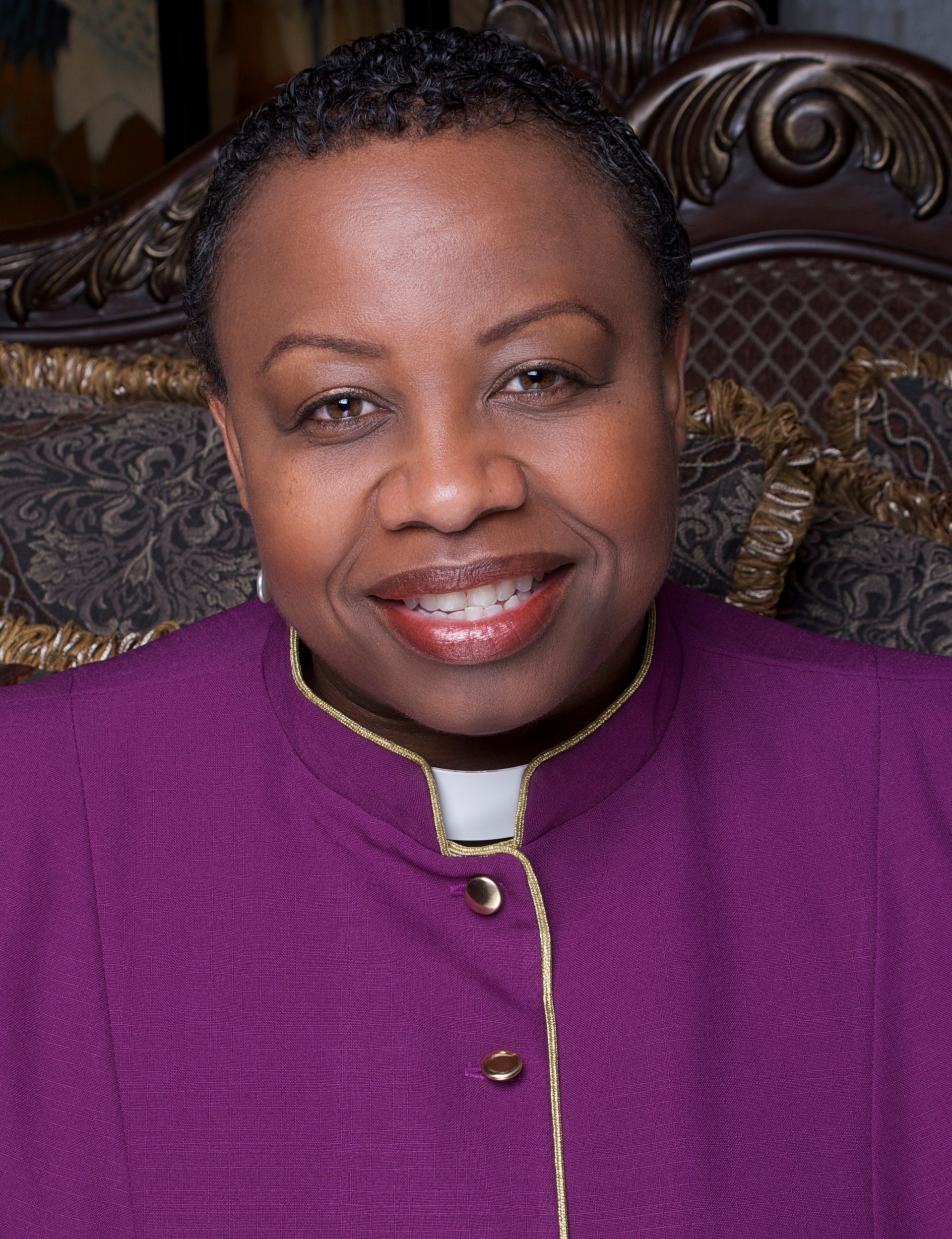
Bishop Tonyia Rawls
Bishop Tonyia Rawls is a nationally respected pastor, organizer, and advocate whose ministry bridges faith, public witness, and community transformation—especially among those most often marginalized by systems of power.
She is:
- Founder of Unity Fellowship Church Charlotte, the first Unity Fellowship congregation in the Bible Belt
- Founder of The Freedom Center for Social Justice
- Chancellor of The Black Mountain School of Theology and Community and
- Founder and Pastor Emeria of Sacred Souls UCC.
Through the Freedom Center, Bishop Rawls has led initiatives such as the Do No Harm Campaign and the “Yes, You Can Go” project, while convening national networks including the Transgender Faith and Action Network and the Liberating Theologies Speaker Series.
Her public leadership includes Moral Monday organizing, service with the North Carolina Council of Churches, and founding roles within clergy and trans-affirming faith coalitions.
A graduate of Duke University, Rev. Rawls attended Episcopal Divinity School and holds advanced nonprofit leadership credentials from Duke. She is a published writer and frequent seminary guest lecturer.
She is also a member of The College of Affirming Bishops and a Senior Bishop with The Fellowship of Affirming Ministries.
The CLGS John E. Boswell Lecture
Praised and critiqued, lauded and contested – John Boswell’s scholarship continues to provoke questions, inspire new academic work, and, in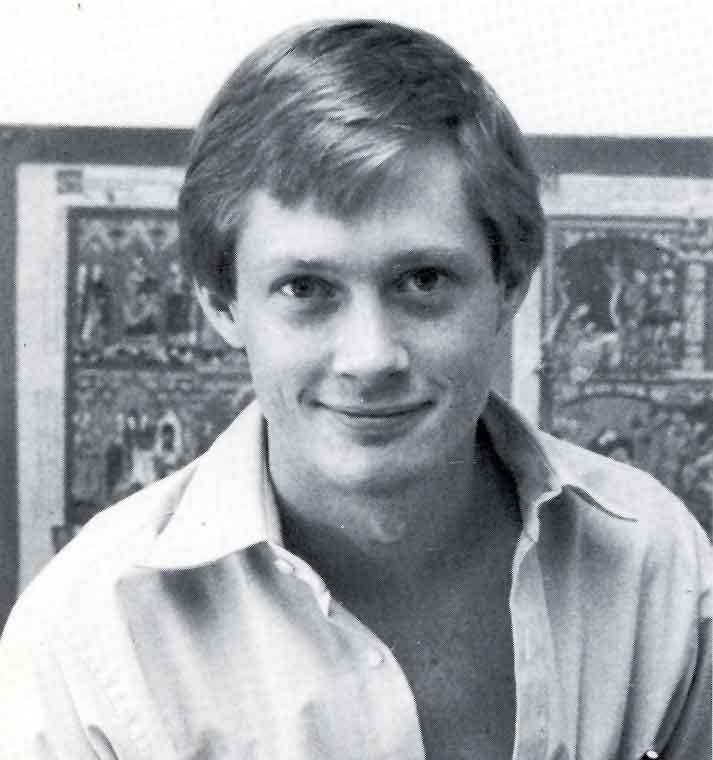 many ways, set the bar high for LGBTQ religious scholarship. In February, 2006, CLGS brought together some of the leading voices in both academic and activist circles to consider the legacy of Boswell’s scholarship and the path it continues to chart for so much work that still needs to be done. CLGS was pleased to make that conference the occasion for establishing a special endowment fund to honor John Boswell’s life and scholarship by creating the annual CLGS John E. Boswell Lecture, which brings leading scholars in LGBTQ religious studies to the PSR campus each spring semester
In 1980 John Boswell published a book that historian of sexuality Michel Foucault called “a truly groundbreaking work.” Christianity, Social Tolerance, and Homosexuality: Gay People in Western Europe from the Beginning of the Christian Era to the Fourteenth Century charted bold territory in both historical and religious scholarship, setting a new benchmark of academic excellence for gay and lesbian studies. Equally significant, if not more controversial, was his 1993 book, Same-Sex Unions in Premodern Europe, in which he tried to show historical precedence for the religious blessing of same-sex relationships.
In 1975 Dr. Boswell joined the Yale University faculty as an assistant professor after studying at the College of William and Mary and Harvard University. In 1990 he was named the A. Whitney Griswold Professor of History at Yale where he later served a two-year term as the chair of the history department. In 1987 he also helped organize the Lesbian and Gay Studies Center at Yale.
Martin Duberman, founder of the Center for Lesbian and Gay Studies at the City University of New York, considered Dr. Boswell “one of the major innovative figures in gay and lesbian scholarship. John was very brave and pioneering. And very brilliant.”
Although John Boswell died from AIDS-related illnesses in 1994, his trail-blazing efforts in historical scholarship continue to shape and inspire academic, activist and faith communities of all traditions. The annual John E. Boswell Lecture honors that pioneering legacy.
Click here for a list of past CLGS Boswell Lecturers.